


GRAND ISLAND, Neb. — Agriculture in Nebraska takes many forms. It includes raising cattle, growing crops, producing poultry, managing businesses and helping shape the future of rural communities.
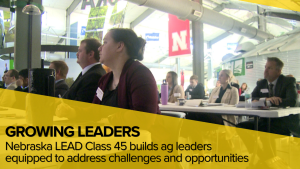
That diversity is reflected in the 45th class of the Nebraska LEAD Program, which recently gathered in Grand Island for one of its leadership development seminars.
The program brings together people from across Nebraska agriculture, giving participants an opportunity to learn from one another, explore issues facing the industry and develop the skills to become stronger leaders in their communities.
Class 45 includes people at different stages of their agricultural careers, with a wide range of professional experiences.
Asha Scheidelerworks with Lincoln Premium Poultry and also operates a cow-calf business. She sees the combination of an agricultural career and her own cattle operation as offering the best of both worlds. She also sees contract poultry production as one way to create opportunities for the next generation to return to agriculture.
Blake Merrell, from the St. Edward area, represents a younger generation of producers already getting involved in agricultural leadership. He’s active with local Corn Growers and Farm Bureau organizations, and hopes to continue taking on leadership roles.
Agriculture is also a hands-on business for participants like Emily Beller, from the Lindsay area. She’s navigating the demands of her own farming operation, including the challenges of weather, harvest and managing acres spread across the region.
While their backgrounds differ, all three are part of a program designed to broaden their perspectives beyond their own operations and communities.
The Nebraska LEAD Program provides participants with opportunities to study issues affecting agriculture, rural communities and the state’s economy, while building relationships with others who will help shape the industry’s future.
For a state where agriculture touches nearly every community, developing leaders who understand both the challenges and opportunities ahead remains an important investment.