


Fridays in the Field is presented by FNBO – The Great Big, Small Bank.
What looked like a struggling wheat crop just weeks ago is delivering a much more optimistic outlook for a southeast Nebraska producer as combines begin rolling ahead of the Fourth of July.
Monte Merkle, a farmer near Clatonia and member of the Nebraska Wheat Board, said timely planting and good fall conditions gave the crop a strong start before an extended dry stretch threatened to undo months of progress. A soaking rain in mid-May, however, changed the outlook dramatically.
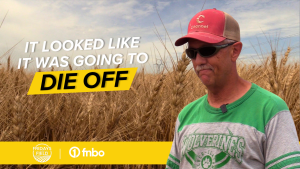
“It turned dry, and then it looked like it was going to die off. Some of it I thought was dead. Then in the middle of May, we caught a big rain, and it revived everything.”
Merkle said harvest began July 1, just a few days ahead of the area’s typical Independence Day wheat harvest. While it’s still too early to know final yields, early results have exceeded his expectations.
“It’s a little too early to tell for sure how it’s going to be, but it’s not near as bad as I thought it was going to be.”
The crop endured an unusual winter, with little snow cover but also few extreme cold events. An inch of January rain soaked into unfrozen ground before the region entered a prolonged dry spell that lasted until mid-May.
Merkle said the wheat never appeared to settle into a normal winter dormancy.
“I think the wheat kind of was confused. The plant didn’t know whether it was supposed to go into dormancy, come out of dormancy, or start growing.”
Beyond harvest, Merkle is also participating in University of Nebraska field trials comparing fungicide applications made by drone and helicopter. Researchers established side-by-side strips, including untreated check plots, to evaluate both disease control and application performance.
He said the technology used during the drone applications was particularly impressive, with a second drone recording spray patterns and drift in real time.
While dry weather allowed producers to plant both wheat and row crops without interruption for a second consecutive year, Merkle said the region could still benefit from additional rainfall as the growing season continues. Even so, after fearing significant wheat losses earlier this spring, the 2026 crop is shaping up far better than expected.