


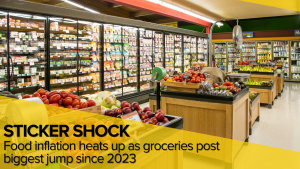
Americans are continuing to feel the pinch at the grocery store, with food prices posting their largest annual increase since 2023.
New government data shows grocery prices in April were up 2.9 percent from a year earlier, while restaurant prices also climbed, pushing overall food inflation above 3 percent.
Economists say rising fuel costs tied to the conflict in Iran are one reason prices are increasing. Diesel prices have surged as shipping traffic through the Strait of Hormuz, a key global oil corridor, remains disrupted. Higher fuel costs affect nearly every step of the food chain, from tractors and irrigation pumps to trucks hauling products to grocery stores.
But energy prices are only part of the story. Drought in parts of the western United States has tightened cattle supplies and pushed beef prices 15 percent higher than a year ago. Dry weather in major coffee-growing regions has also driven coffee prices sharply upward. Trade policies have added pressure too, including higher costs for imported foods like tomatoes.
Fresh fruits and vegetables rose 6.5 percent over the past year, while meat prices climbed nearly 9 percent. Some staples, however, offered relief for shoppers. Egg prices fell sharply as poultry producers rebuilt flocks following outbreaks of highly pathogenic avian influenza, commonly known as bird flu, and butter prices also declined.
Even with higher prices, demand for meat remains strong. A new industry report shows U.S. retail meat sales hit a record 112 billion dollars in 2025, with fresh beef, chicken and pork making up the bulk of purchases. The report found most consumers still view protein as an important part of a healthy diet, and nearly all households continue to buy meat regularly.
But economists warn consumers may not have seen the full impact of higher fuel and fertilizer costs yet. They say those expenses can take several months to fully work their way through the food supply chain and onto grocery shelves.