


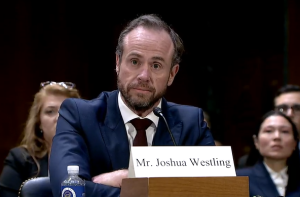
Nebraska’s push to expand domestic fertilizer production took center stage in a Senate Agriculture Committee hearing this week, as lawmakers and witnesses pointed to high input costs, global supply disruptions and limited market transparency in the 2026 growing season.
Much of the discussion focused on fertilizer prices that farmers say remain elevated even as crop prices have declined, squeezing already thin margins across the Plains.
“We get a lot of that from our retailer,” said South Dakota farmer Trent Kubik, describing how producers often lack direct access to fertilizer pricing data. “We just don’t have a lot of that data to look at.”
Kubik said farmers are trying to make planting decisions with limited visibility into how input costs are set. “We just don’t have enough of that information to predict what it’s going to do,” he said.
Lawmakers from both parties pointed to global instability and trade disruptions affecting fertilizer components such as nitrogen, phosphate and potash. Industry representatives also cited permitting delays and regulatory costs as barriers to expanding U.S. production.
“One recent ammonia plant took seven years to permit,” said Fertilizer Institute CEO Corey Rosenbusch. “We’re talking $4 to $5 billion dollars of capital before construction even begins.”
NEBRASKA’S PROJECT MEADOWLARK
Nebraska’s Project Meadowlark was also referenced during the hearing as an example of efforts to expand regional fertilizer production and reduce dependence on long-distance supply chains.
The Gothenburg-area project is being developed as a farmer-backed initiative aimed at producing fertilizer closer to where it is used, reducing transportation costs and exposure to global market disruptions.
Joshua Westling, spearheading the project, said the effort was driven in part by persistent supply constraints and logistics challenges in western Nebraska and surrounding agricultural regions.
“The project that we’re doing is to make a fertilizer type that’s utilized in that region,” Westling said. “Born from the shortage that exists there and the difficulty of transporting product there over sometimes huge distances.”
Lawmakers cited the project while discussing broader concerns about how permitting timelines, capital requirements and regulatory processes can slow new domestic fertilizer capacity, even in areas with strong agricultural demand.
“If we can just see more data and see more trends, it would be huge,” Kubik said. “We just don’t have enough of that information.”
Some lawmakers argued that consolidation in the fertilizer industry has contributed to sustained price pressure, while industry representatives pointed to geopolitical disruptions and global competition for limited supply.