

Cattle Call is an original production of the Nebraska Rural Radio Association and is presented Blue Chip Herefords – Oxford, Nebraska.
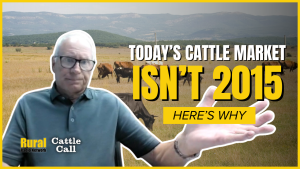
Despite inevitable comparisons to the last cattle cycle, today’s market isn’t repeating the collapse that followed record highs a decade ago, according to KKV Trading’s Brad Kooima. Instead, he says the key indicator producers should watch isn’t herd expansion—it’s market leverage between feedlots and packers.
Kooima said many producers naturally compare today’s historically high cattle prices to the 2014-15 cycle, when aggressive herd rebuilding eventually led to more than a year of sharply lower prices. But he believes the current expansion remains much more gradual.
“We’re not having the expansion at the rate that we had in ’15. That was like we flipped a switch… it’s like we all decided to do it at the same time. While I think there is some retention, I still would call it gradual.”
Rather than focusing solely on inventory numbers, Kooima said producers should pay closer attention to whether feedlots maintain negotiating power over packers.
“If I could use one word” to distinguish a good cattle market from a bad one, Kooima said, “it would be this word… leverage.”
“That’s what we lost then. We had high-price breakevens, cheap feed, and cattle that were losing all kinds of money. That’s when we started to fight the market in ’15, and we didn’t get out of it until December of ’16.”
He said the warning signs to monitor include whether cattle remain current, whether packers become more aggressive buyers and whether negotiated cash trade remains strong enough to keep packers competing for supplies.
“I don’t think we’re there. But that’s the fundamental thing that I’m going to be trying to be dialed in on here in the next several months to a year.”
Other topics discussed:
- Heat stress reducing cattle performance and carcass weights.
- Mexican border reopening to cattle imports.
- Cargill’s Fort Morgan labor dispute and slaughter capacity.
- Improving boxed beef values ahead of Labor Day.
- Feedlot holding strategies and near-term cash market outlook.