

Despite another week dominated by headlines about New World screwworm, the bigger story for cattle producers may be that the market appears increasingly focused on historically tight cattle supplies, improving cash leverage and ongoing questions about long-term U.S. processing capacity.
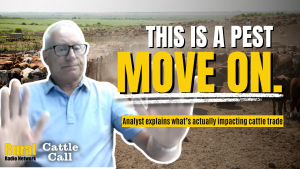
In this week’s episode of Cattle Call, Brad Kooima of KKV Trading said last week’s sharp futures rally following confirmation of additional screwworm cases suggests traders may be moving past uncertainty and returning their focus to supply fundamentals.
“The reaction to the actual screwworm case was kind of interesting,” Kooima said. “I had felt for a while that if we just get it in the market, that we might be surprised that the market might actually go, ‘Okay, now we don’t have to worry about that happening again.’”
The market’s response came even as confirmed cases increased in Mexico and concerns persisted about cattle movement restrictions. Kooima argued that producers should keep the issue in perspective.
“This is a pest. All right. This is a worm,” he said. “There’s going to be more cattle that die from bloat this year than die from this thing.”
Instead, Kooima pointed to ongoing supply shortages as the dominant market driver. Cash cattle prices reached record highs even while the strike-related shutdown at the Fort Morgan, Colorado, packing plant reduced slaughter capacity.
“The all-time high was made while they were closed,” he said. “That still reflects, I think, just how short the supply of cattle is.”
Adding to the bullish outlook, Kooima believes packers have largely worked through the backlog of cattle purchased during aggressive buying weeks earlier this spring. As those inventories are harvested, packers may soon need to return to the market for additional supplies.
“By the end of this week and certainly by next week, a lot of that bulge in numbers is going to be harvested,” he said. “I think that’s part of the reason why I think cash is going to be either higher this week or next week.”
While supportive of efforts to control screwworm, Kooima warned that prolonged border restrictions could create unintended consequences for the U.S. cattle industry. He said Mexico has continued building feeding and processing infrastructure while U.S. cattle numbers remain historically low.
“We’ve got to think about the unintended consequences of what’s going on here,” Kooima said. “We need to move on and protect our U.S. industry.”
Other topics discussed:
Choice-Select Spread Recovery: The choice-select spread has widened back into double digits, sitting around $15. While the seasonal expansion reflects healthy summer product demand, caution remains as the choice price sits only about $9 off its dead low for the year.
Texas Herd Expansion Hurdles: Recent spring rainfall has incentivized Texas producers to begin herd expansion, but concerns over regional screwworm quarantine protocols may delay plans to aggressively retain heifers.
Declining Futures Open Interest: The live cattle futures market has shed 25,000 open interest contracts over a five-day period, raising questions about whether high volatility is chasing long-term speculators and fund commitments out of the marketplace.